Quick Verdict
Our buying guide for the Medical Guardian MGMove Smartwatch, AI-scored 9.0/10.
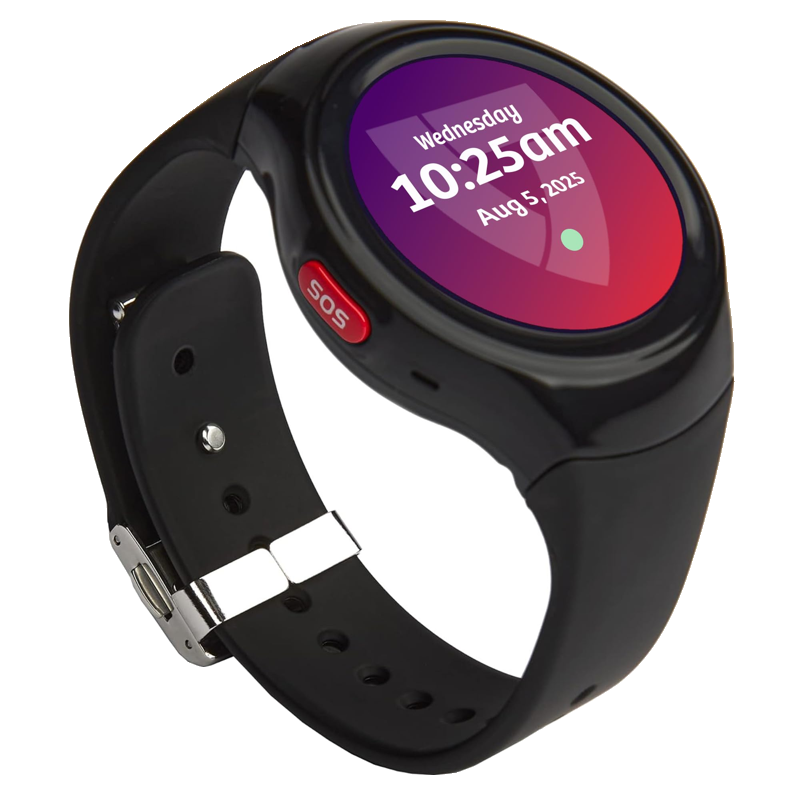
⭐ Featured in this article
Medical Guardian MGMove Smartwatch
Who Should Buy This
The Medical Guardian MGMove is ideal for active older adults who value independence and want emergency protection without being tethered to their home phone or smartphone. If you're someone who travels, enjoys outdoor activities, or simply doesn't want to carry a separate medical alert device, the built-in 4G LTE is a genuine game-changer. You get cellular connectivity everywhere—no need to maintain Wi-Fi or keep your phone charged and nearby.
It's also perfect if you've rejected traditional medical alert pendants because they feel stigmatizing or unfashionable. The smartwatch design looks like normal wearable tech, so family members and caregivers won't immediately identify you as wearing a medical device. This psychological comfort matters more than many realize when it comes to actually wearing the device consistently.
Consider this watch if you have a clear willingness to pay monthly subscription fees (its current price/month) for 24/7 professional monitoring. You're getting trained emergency response agents in the US standing by to contact emergency services on your behalf—that's a real safety net worth the cost if you value it.
Who Should Skip It
If you're primarily looking for a fitness tracker that happens to have emergency features, this isn't your device. The smartwatch capabilities are minimal—this is a medical alert device first, fitness tracker second. Expect limited app support and notifications compared to Apple Watch or Samsung Galaxy Watch.
Battery life is a legitimate dealbreaker for some users. Charging every single day (or potentially twice daily with heavy use) requires genuine discipline. If you frequently forget to charge your phone or lose devices, you'll find yourself in risky situations where the watch dies overnight and you're unprotected. The 24–36 hour battery window is tight for anyone with inconsistent daily routines.
Skip this if the cumulative cost bothers you. At its current price upfront plus $39.95/month minimum, you're looking at its current price in the first year alone. Over five years, that's the price. If you're on a fixed income or have a tight health budget, traditional pendant-style systems with lower monthly fees ($20–$30/month) might serve you better.
Also consider passing if you live in a rural area with spotty cellular coverage. This device relies entirely on 4G LTE—no Wi-Fi fallback. Check coverage maps with your carrier before purchasing.
Key Features to Evaluate
Cellular Independence: The 4G LTE is the standout feature. Test it in locations you frequent regularly. Visit your doctor's office, the grocery store, your gym. Can you get signal consistently? This isn't theoretical—your safety depends on it.
The Monitoring Center: Contact Medical Guardian and ask specific questions: How long is average response time? What's their protocol if you don't answer? Can you customize emergency contacts? Request to speak with someone who's actually used the service. Real users will tell you what matters.
Charging Commitment: Be honest about your habits. Do you regularly charge devices daily? Have a designated charging spot? If you sleep 8+ hours and the battery gets you through your day with 10% remaining, overnight charging is non-negotiable. Missing this creates vulnerability.
Watch Features: Check if it has basic functions you'll actually use—heart rate monitoring, step counting, medication reminders. These aren't why you're buying it, but they increase the odds you'll wear it consistently.
Fall Detection: Confirm whether it includes automatic fall detection. Some users have this enabled; others disable it due to false alarms. Understand how it works and test it if possible.
Price vs Value
the device cost is reasonable for the technology. The real calculation is the subscription fee. Ask yourself: What's the value of professional emergency response available 24/7? If you live alone, are older, or have health concerns, many people find $40/month justified. If you have someone checking on you daily and good cell service, you might question the value.
Compare alternatives honestly. Traditional medical alert systems cost $20–$35/month but require Wi-Fi or a landline. Medical alert apps on your existing smartwatch cost $10–$20/month but depend on you remembering to carry your phone. The MGMove eliminates these compromises, which justifies premium pricing—but only if those compromises actually bothered you.
Our Verdict
Medical Guardian MGMove earns its 9.0/10 score because it solves a specific, legitimate problem elegantly: providing professional emergency monitoring without requiring a smartphone, Wi-Fi, or accepting the stigma of traditional pendants. The 4G LTE implementation is genuinely innovative for this category.
However, it's not the right choice for everyone. The daily charging requirement and subscription commitment are real friction points. Buy this if you're an active, independent person who values fashion and freedom and can commit to consistent charging. Skip it if battery anxiety stresses you or monthly fees strain your budget. For most seniors seeking straightforward emergency protection, it's a premium option worth the cost—provided cellular coverage is strong where you live.
Ready to buy?
Medical Guardian MGMove Smartwatch
View on Amazon →Affiliate link — we may earn a commission at no extra cost to you
Get AI-curated deals like these every week
Free picks from our research engine. No spam — unsubscribe anytime.
No comments yet — be the first to share your experience.