Quick Verdict
Our tips for the CEP Compression Socks 3.0 20-30 mmHg Performance Graduated Compression, AI-scored 9.0/10.
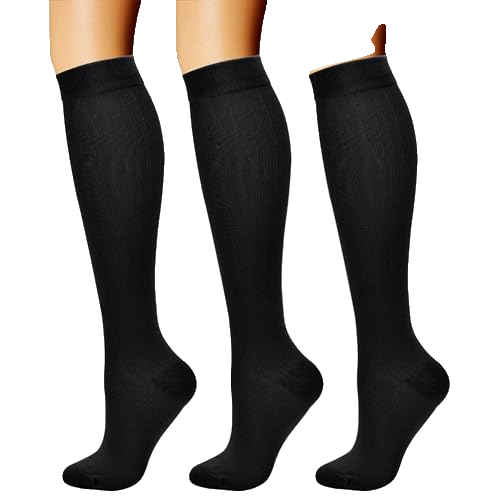
⭐ Featured in this article
CEP Compression Socks 3.0 20-30 mmHg Performance Graduated Compression
If you’ve just unboxed the CEP Compression Socks 3.0 (20‑30 mmHg) and want to squeeze every benefit out of them, you’re in the right place. Below are practical steps that go beyond “wear them and run.” These tips come from my own marathon training kit, where I’ve put these socks through rain, heat, and a few inevitable shoe‑related mishaps.
1. Choose the Right Size—Don’t Guess
CEP’s gender‑specific sizing is a real upgrade. Grab a measuring tape and record the circumference of the widest part of your calf and the length of your foot. Compare those numbers to the size chart on the packaging. I once tried a “large” on a narrow calf and spent ten minutes fighting bunching at the ankle. The right fit feels snug but not constricting; you should be able to slide a finger under the top edge without it sliding down.
2. Pre‑Moisten the Fabric for Easier Pull‑On
The polyamide blend is moisture‑wicking, which is great when you’re sweating, but it also makes the sock a bit slick when dry. Lightly dampen the interior with a spray bottle or a quick splash of water, then roll the sock down to the toe. This reduces friction, so you can pull the sock over your foot without tugging too hard—especially helpful if you have limited hand strength.
3. Use the “Toe‑First, Heel‑Last” Technique
Start by inserting your toes into the toe pocket, then gradually work the fabric up the foot. When the heel reaches the heel cup, gently pull the cuff up toward the calf, smoothing out any folds as you go. I’ve found that this method prevents the dreaded “bunching” around the ankle that many reviewers complain about.
4. Pair with Proper Footwear
Compression socks aren’t a magic fix for ill‑fitting shoes. Make sure your running shoes have enough room in the toe box—about a thumb’s width. If the shoe is too tight, the extra pressure from the sock can cause hotspots. I swapped to a slightly wider mid‑sole shoe during a humid summer training block and noticed a marked drop in blister formation.
5. Rotate Socks to Extend Their Life
Even though the fabric is designed for durability, the compression fibers gradually lose their “spring” after repeated wash cycles. Keep at least two pairs in rotation, so each has a full day to air out and recover. I wash them in cold water on a gentle cycle, then lay flat to dry—no dryer, no fabric softener. This routine keeps the compression level consistent for months.
6. Time Your Wear for Maximum Circulatory Support
The 20‑30 mmHg range is medically graded, meaning it truly assists venous return. Wear the socks during the most demanding parts of your workout—long runs, high‑intensity intervals, or mountain bike climbs. After you finish, keep them on for a short recovery window (10‑15 minutes) to help flush metabolites out of the lower leg. I’ve felt noticeably less post‑run soreness when I follow this pattern.
7. Adjust Compression Levels for Different Activities
If you’re doing a low‑impact activity like yoga or a casual walk, you don’t need the full 30 mmHg pressure. Slip the socks on a little looser—just enough to feel the support without feeling “tight.” This small tweak reduces fatigue in the calf muscles while still offering the circulatory benefits.
8. Keep an Eye on Sock Wear Indicators
CEP prints a subtle gradient line near the cuff that fades as the compression degrades. When the line is barely visible, it’s time to replace the pair. I’ve been caught off guard a few times by socks that felt “floppy,” and the faded line was the first clue.
Common Mistakes to Avoid
- Skipping the size check and assuming “one size fits all.” Ill‑fit leads to bunching, reduced compression, and potential skin irritation.
- Trying to force the sock on dry and with full force. A quick dampening step can save you minutes and protect your fingernails.
- Washing in hot water or using fabric softener. Heat can break down the elastic fibers; softeners coat them, diminishing compression.
- Neglecting shoe fit. Tight shoes + high compression = uncomfortable pressure points.
- Wearing the socks for casual, everyday use without a recovery purpose. Over‑compression can actually impede blood flow if you’re not active.
- Forgetting to rotate pairs. Constant wear on a single pair accelerates loss of therapeutic pressure.
Ready to give your training legs the support they deserve? If you need a reliable, medically graded sock that actually stays in place, the CEP 3.0 is worth trying—just check the current price on Amazon before you add them to your cart.
Ready to buy?
CEP Compression Socks 3.0 20-30 mmHg Performance Graduated Compression
View on Amazon →Affiliate link — we may earn a commission at no extra cost to you
Frequently Asked Questions
Measure your calf circumference at its widest point and refer to CEP's size chart, then choose the size that matches your measurement; a snug but not painful fit ensures the intended graduated pressure.
Turn the sock inside out to the heel, place your foot inside, then gently pull the sock up using both hands, smoothing out wrinkles as you go to maintain even compression.
Yes, the 20-30 mmHg level is designed for active use, but ensure they stay dry and replace them regularly as sweat can reduce compression effectiveness.
Typically every 3–4 months of regular wear, or sooner if you notice loss of elasticity, fabric wear, or diminished pressure.
Hand‑wash in cold water with mild detergent, avoid fabric softeners and bleach, and air‑dry flat; high heat or machine drying can degrade the elastic fibers.
Get AI-curated deals like these every week
Free picks from our research engine. No spam — unsubscribe anytime.
No comments yet — be the first to share your experience.