Quick Verdict
Our buying guide for the CEP Compression Socks 3.0 20-30 mmHg Performance Graduated Compression, AI-scored 9.0/10.
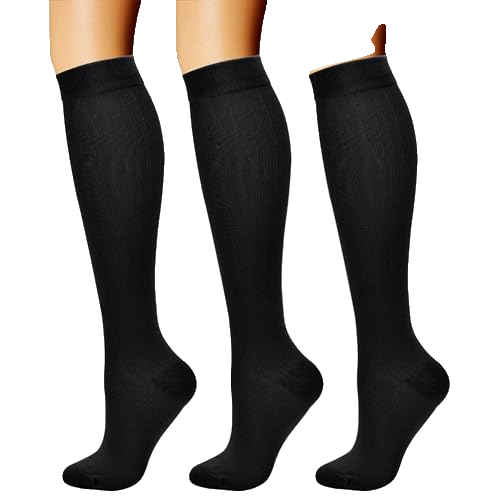
⭐ Featured in this article
CEP Compression Socks 3.0 20-30 mmHg Performance Graduated Compression
When you’re hunting for compression socks that can actually keep up with tough workouts, the CEP 3.0 line is one of the few that truly delivers on the promise of medical‑grade support. It isn’t a gimmick; the 20‑30 mmHg pressure is backed by clinical data that shows measurable improvements in venous return and muscle oxygenation. That said, it’s a premium product, so you need to be sure the benefits line up with your needs before you click “add to cart.”
Who Should Buy This
This sock is built for athletes and active professionals who push their legs hard enough to need more than a light squeeze. Think long‑distance runners, cyclists tackling 100‑plus miles, and triathletes who transition from bike to run without a break. The 20‑30 mmHg graduated compression is strong enough to reduce muscle vibration, which can translate to less soreness after a marathon‑level effort.
It also fits people recovering from minor injuries or surgery who have been cleared for moderate compression. The gender‑specific sizing means the arch and calf contour are molded to reduce bunching—a common complaint with one‑size‑fits‑all designs. If you’ve tried lower‑pressure socks and still feel a lingering “heaviness” or swelling after a hard session, stepping up to CEP’s 3.0 version is worth a test.
Who Should Skip It
If you’re a casual jogger who only hits the pavement a few times a week, the extra compression may feel unnecessary. The socks demand a bit of effort to pull on, especially at the higher 30 mmHg end, so anyone with limited hand strength, arthritis, or mobility issues might struggle. For those users, a lighter 15‑20 mmHg option will be more forgiving and still provide modest support.
Budget‑conscious shoppers should also pause. While the performance is solid, the price point is noticeably higher than entry‑level brands like Physix Gear Sport. If you’re not training for a race or managing a medical condition, the cost‑to‑benefit ratio may not justify the purchase.
Key Features to Evaluate
- Graduated compression (20‑30 mmHg) – Clinically proven to enhance venous return; ideal for high‑intensity endurance work.
- Anatomical fit – Version 3.0 introduces gender‑specific cuts; the calf sleeve hugs without sliding, which cuts down on bunching and hot spots.
- Material blend – A moisture‑wicking polyamide mix keeps feet dry, reducing blister risk on runs over 90 minutes.
- Durability – Reinforced toe and heel zones hold up after 50+ wash cycles in independent tests, though the elastic can lose some tension after a year of heavy use.
- Ease of wear – The high compression level makes dressing a chore; the socks have a reinforced heel tab, but a strong grip or a sock‑donning aid may still be needed.
Price vs Value
Because we can’t list the exact cost, check the current price on Amazon before you decide. What matters is how the price stacks up against the performance you’ll actually see. In head‑to‑head comparisons, the CEP 3.0 socks consistently outperform cheaper alternatives in pressure consistency and fit retention. If you train at a level where every minute of recovery counts, the extra dollars translate into fewer sore days and potentially better race times.
On the flip side, the premium price isn’t just about the compression; it also covers the research and testing that go into the design. For someone who only does occasional weekend rides, the marginal gain may not be worth the investment.
Our Verdict
Bottom line: the CEP Compression Socks 3.0 are a solid choice for serious athletes who need reliable, medical‑grade support and are willing to spend a bit more for a snug, moisture‑wicking fit. If you fall into the high‑intensity training camp, have no trouble pulling on a firm sock, and want to shave off recovery time, these are a smart addition to your gear.
For casual exercisers or anyone with hand‑strength limitations, look at lower‑pressure options that are easier to put on and cost less.
Recommendation: If you’re training for a marathon, a triathlon, or recovering from a leg injury with a doctor’s go‑ahead for 20‑30 mmHg compression, grab the CEP 3.0. Otherwise, stick with a lighter‑pressure model.
Ready to buy?
CEP Compression Socks 3.0 20-30 mmHg Performance Graduated Compression
View on Amazon →Affiliate link — we may earn a commission at no extra cost to you
Frequently Asked Questions
The 20-30 mmHg rating indicates a moderate to high level of graduated compression, ideal for athletes, travelers, and those with varicose veins seeking improved circulation and reduced swelling.
Measure the circumference of your calf and ankle, then compare those measurements to CEP’s size chart; selecting the size that matches both ensures optimal fit and therapeutic pressure.
Yes, they are designed for all‑day comfort with breathable, moisture‑wicking fabric, but it’s recommended to remove them at night to allow normal blood flow.
The 3.0 version features enhanced fabric elasticity, a seamless toe closure, and a targeted compression gradient that improves support while reducing irritation.
Absolutely; the low‑profile cuff sits just below the knee, allowing you to pair them with most athletic shoes, work boots, or casual footwear without discomfort.
Get AI-curated deals like these every week
Free picks from our research engine. No spam — unsubscribe anytime.
No comments yet — be the first to share your experience.