Quick Verdict
Our buying guide for the Blue Light Blocking Glasses for Eye Strain, AI-scored 8.8/10.
⭐ Featured in this article
Blue Light Blocking Glasses for Eye Strain
Who Should Buy This
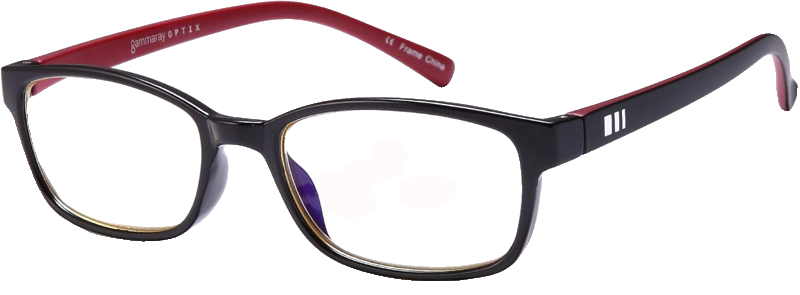
If you spend more than three hours a day staring at a laptop, tablet or phone, these glasses are worth a look. The lenses filter up to 90 % of blue light in the 400–420 nm band—a range that studies link to increased eye fatigue during prolonged screen time. For graphic designers, video editors, or anyone who needs accurate color representation, the minimal amber tint is a relief; it tames harsh glare without turning the screen into a sepia photograph.
They’re also a solid pick for night‑shifters who keep the lights on after sunset. The lightweight TR90 frame (about 22 g) sits lightly on the bridge, so you can wear them for eight hours straight without the usual pressure points that make cheap plastic frames feel like a vice.
Frequent gamers will notice a subtle difference, too. While the tint isn’t strong enough to ruin fast‑moving graphics, it does cut down the buzzing sensation that comes after marathon sessions. If you’ve ever felt a dry‑eye sting after a few hours of gaming, give these a try.
Who Should Skip It
People who rely on prescription lenses for moderate to high myopia, or who have significant astigmatism, should think twice. The non‑prescription version won’t correct vision, so you’ll still need your regular glasses underneath—a clunky combo most users find uncomfortable.
If you’re a photographer who needs pixel‑perfect white balance on an OLED screen, the slight amber shift may be a nuisance. In side‑by‑side comparisons the whites can look a shade warmer, which can throw off critical color grading work.
Finally, if you’re already using a monitor with a built‑in blue‑light filter that you find effective, adding another layer of filtration may be overkill. In that scenario the extra glasses could feel redundant.
Key Features to Evaluate
- Blue‑light filtration range: Look for a clear specification like “blocks up to 90 % of 400–420 nm.” That tells you the glasses target the most damaging part of the spectrum, not just a vague “blue‑light reduction.”
- Frame material: TR90 is a flexible nylon that resists cracking and bends to fit most face shapes. At roughly 22 g, it’s lighter than the average acetate frame, which can tip the comfort scale during all‑day wear.
- Lens tint: A minimal amber hue keeps colors fairly true while still cutting glare. Stronger tints can make the screen look orange, but they also block more light. Decide which trade‑off matters more for your work.
- Fit and adjustability: Check if the nose pads are silicone and if the temples have a slight curve. These little details reduce pressure on the temples and keep the glasses from sliding down.
- Durability: TR90 frames are known for surviving accidental drops. If you travel often or move around a lot while wearing them, a sturdy frame will save you from frequent replacements.
Price vs Value
The price sits in the mid‑range for blue‑light eyewear. Compared to cheap plastic pairs that often block less than 50 % of the targeted spectrum, these glasses deliver a measurable reduction in eye strain—something you can feel after a few days of use. On the other hand, premium designer lenses with custom prescriptions can cost significantly more, but they also address vision correction, something these aren’t meant to do.
If you’re on a tight budget, you might find a cheaper alternative that blocks a decent amount of blue light, but expect a heavier frame and a more noticeable tint. The extra comfort of the TR90 construction and the precise 90 % filtration make the current price point feel justified for anyone who values long‑term wearability.
Our Verdict
These blue‑light glasses hit a sweet spot between effectiveness and comfort. They block a high percentage of the most harmful wavelengths, stay barely on the nose, and keep colors mostly true. The only real drawback is the slight amber shift on ultra‑bright OLED screens, which can be a mild annoyance for color‑critical professionals.
If you’re a desk‑bound professional, a gamer, or a student pulling late‑night study sessions, they’re a solid investment. For anyone who needs prescription correction or works in a field where exact color matching is non‑negotiable, look for a prescription‑compatible version instead.
Bottom line: grab a pair if you’re looking for a comfortable, effective way to reduce digital eye fatigue without sacrificing too much color accuracy. Check the current price on Amazon before you buy.
Ready to buy?
Blue Light Blocking Glasses for Eye Strain
View on Amazon →Affiliate link — we may earn a commission at no extra cost to you
Frequently Asked Questions
Blue light blocking glasses are eyewear with lenses that filter out a portion of high‑energy blue light emitted by screens and LED lighting, reducing glare and visual fatigue that contribute to eye strain.
A filtration rate of 30%–50% is generally sufficient for everyday screen use, while higher percentages (up to 80%) are useful for prolonged gaming or night‑time work, but overly dark lenses can distort colors.
Choose glasses with a comfortable, lightweight frame, anti‑reflective coating, and lenses that meet the advertised blue‑light blocking percentage; UV protection and a reputable warranty are added bonuses.
Yes, many brands offer prescription options that combine your vision correction with blue‑light filtering, which can be cost‑effective compared to buying separate readers and blockers.
Wear them whenever you’re in front of digital screens for more than an hour; consistent use throughout the day typically yields noticeable reduction in eye fatigue within a week.
Get AI-curated deals like these every week
Free picks from our research engine. No spam — unsubscribe anytime.
No comments yet — be the first to share your experience.