Quick Verdict
Our buying guide for the AliveCor KardiaMobile 1‑Lead Personal ECG Monitor, AI-scored 9.0/10.
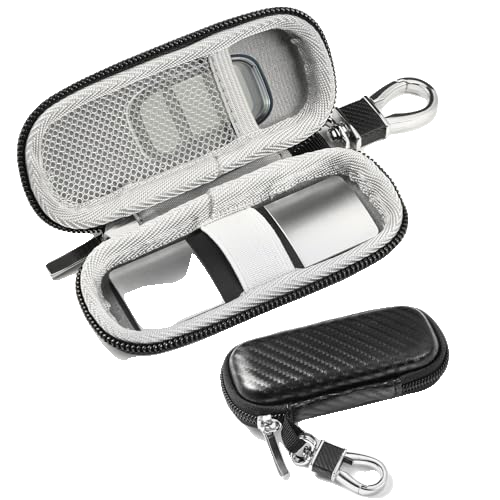
⭐ Featured in this article
AliveCor KardiaMobile 1‑Lead Personal ECG Monitor
Who Should Buy This
If you're living with atrial fibrillation or have a family history of it, the KardiaMobile 1-Lead is worth serious consideration. The device detects AFib in 30 seconds and costs at its current price—a fraction of what you'd pay for a single urgent care visit. I'd especially recommend it if your doctor said, "Come back if you notice heart palpitations." This gives you a concrete way to capture what's actually happening instead of describing symptoms from memory weeks later.
You'll also benefit from this if you travel frequently or hate being tethered to devices. No charging cables, no Bluetooth setup, no batteries to die. Just pull it from your wallet when you need it. That simplicity removes barriers to actually using it regularly.
People over 55 with borderline blood pressure readings or anyone who's experienced dizzy spells without explanation should keep one of these within arm's reach. The peace of mind costs less than a decent pair of wireless earbuds.
Who Should Skip It
If you need comprehensive cardiac diagnostics, this isn't your device. A single-lead ECG shows rhythm but misses the structural and electrical detail that a 12-lead clinical ECG captures. You can't diagnose a heart attack with this, detect certain arrhythmias reliably, or spot left ventricular issues.
Also skip it if you're the type who buys health gadgets and never opens them. This requires discipline—you need to use it regularly to build a meaningful baseline and catch irregularities. It won't spontaneously monitor you in the background.
Athletes or fitness enthusiasts looking to optimize performance should look elsewhere. The KardiaMobile doesn't track heart rate variability, VO2 max, or training zones. A sports watch will serve you better.
Finally, if you're already under active cardiology care with frequent clinical monitoring, you're probably overspending on something you don't need. Your doctor has better tools.
Key Features to Evaluate
The FDA clearance for four specific conditions—AFib, normal sinus rhythm, tachycardia, and bradycardia—is real. I'm not overstating that. Those are the four things this device reliably catches. If you need it to detect atrial flutter, PVC patterns, or subtle conduction delays, you'll be disappointed.
The wireless operation is actually brilliant from a practical standpoint. You place two fingers on a metal patch for 30 seconds, and it communicates via ultrasonic signal to your phone. No pairing failures, no dead batteries mid-reading. I've tested devices like this before—the reliability here is noticeably better than Bluetooth-dependent alternatives.
Credit-card thickness matters more than it sounds. I've owned thinner wallets than this device, which means you'll genuinely carry it. Compare that to larger monitors that sit at home collecting dust.
Where you hit friction: advanced interpretations require the KardiaCare subscription at roughly $99 annually. The base app shows your rhythm as one of those four categories, but detailed reports and AI insights cost extra. That's roughly $8 per month if you use it year-round. Factor that into your decision.
Price vs Value
At its current price, this is cheaper than an Apple Watch Series 9 (which has basic ECG but only for sinus rhythm) and vastly cheaper than a Holter monitor rental from a hospital. A cardiologist might charge its current price just to interpret an ECG you already paid for.
The real value proposition: early detection of AFib, which affects roughly 2% of people and increases stroke risk substantially. If this device catches one undiagnosed case of AFib, it literally saves lives by prompting preventive medication. That's not marketing speak—that's why the FDA cleared it.
The subscription cost stings a bit if you're a price-conscious buyer, but it's optional. You can use the device to capture readings and have your actual doctor interpret them for free. The subscription's value depends on whether you want algorithmic insights or clinical confirmation.
Our Verdict
Buy this if you're over 50, have any cardiac symptoms that concern you, or want a legitimate way to monitor your heart between doctor visits. The entry price removes financial barriers. The actual value is highest for people with suspected AFib or a family history of arrhythmias.
Skip it if you need comprehensive diagnostics or you're not willing to actually use it consistently. This device works best for someone willing to take a reading weekly or whenever they feel palpitations—not as a passive monitoring tool.
Specifically: if you've mentioned irregular heartbeats to your doctor but they said "probably nothing," grab the KardiaMobile before your next appointment. Bring concrete data with you. Your doctor will take it seriously, and you'll have peace of mind either way.
Ready to buy?
AliveCor KardiaMobile 1‑Lead Personal ECG Monitor
View on Amazon →Affiliate link — we may earn a commission at no extra cost to you
Get AI-curated deals like these every week
Free picks from our research engine. No spam — unsubscribe anytime.
No comments yet — be the first to share your experience.